Pen Wraps: A Practical Guide to Enhancing Workflow and Creativity
Pen wraps have become an essential tool for professionals, creators, and productivity-minded individuals. Whether you're a marketer designing campaign materials, an educator preparing lesson plans, or a small business owner organizing daily tasks, pen wraps offer more than just aesthetic appeal—they serve as a functional element in your workflow. This article explores how pen wraps fit into broader processes, their integration with other tools, and practical tips for using them effectively.
Understanding Pen Wraps and Their Role in Workflow
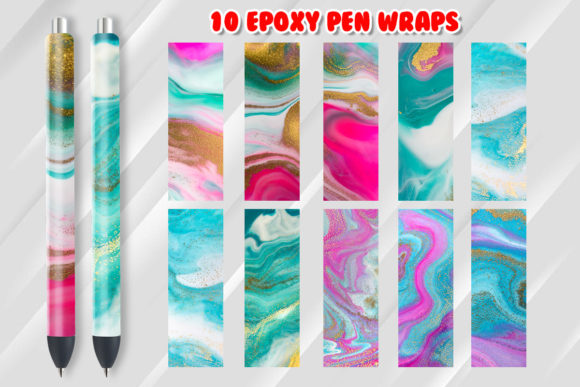
Pen wraps are customizable covers that can be applied to pens to enhance both functionality and personalization. They come in various forms, including PNG files, waterslide designs, and glitter options, allowing users to tailor their appearance to match brand identity, project themes, or personal style. These wraps are not just decorative; they play a role in organization, brand visibility, and even psychological engagement during repetitive tasks.
In a professional setting, pen wraps can help differentiate between tools used for different projects. For example, a marketing team might use one set of wraps for client meetings and another for internal documentation. This visual distinction supports efficient task management and reduces the risk of misplacing important tools.
Integration with Digital Tools and Workflows
The digital nature of pen wrap templates makes them highly versatile. Most products include high-resolution PNG and JPG files that are ready to print, ensuring compatibility with a wide range of printing methods and devices. This flexibility allows users to integrate pen wraps seamlessly into their existing workflows, whether they're working on physical projects or digital content creation.
For instance, a blogger might use pen wraps to brand their writing tools, reinforcing their personal brand across all materials. Similarly, educators can customize pen wraps to match classroom themes, making learning more engaging for students. The ability to design and print these wraps quickly means they can be adapted to changing needs without significant time or cost investment.
Practical Implementation Tips for Using Pen Wraps
Implementing pen wraps effectively requires attention to detail and preparation. Here are some key considerations:
- Measure Your Pens: While most pen wraps are designed for standard inkjoy pens, it's always wise to measure your specific pen size to ensure a perfect fit. This step prevents wasted materials and ensures the final product looks professional.
- Choose the Right Design: Selecting the right pattern or color can significantly impact user experience. Consider factors such as visibility, durability, and ease of application when choosing a design.
- Prepare Your Workspace: A clean, well-lit workspace is essential for applying pen wraps accurately. Gather all necessary tools, including water, a towel, and a flat surface, before beginning the process.
- Test Before Full Application: Applying a few wraps first can help identify any issues with the design or material. This step allows for adjustments before committing to a full set.
- Organize Your Supplies: Keeping your pen wraps organized by project, color, or function ensures easy access and reduces the risk of confusion during busy work periods.
By following these steps, users can maximize the utility of pen wraps while maintaining consistency and efficiency in their workflow.
How Pen Wraps Interact with Other Tools and Resources
Pen wraps are not standalone tools; they work best when integrated with other resources. For example, when using pen wraps in a creative project, they can complement other design elements such as color schemes, branding guidelines, and visual assets. This synergy enhances overall coherence and professionalism.
In a business context, pen wraps can be part of a larger branding strategy. They can be used alongside logos, business cards, and promotional materials to create a unified look across all touchpoints. This approach reinforces brand recognition and professionalism in both internal and external communications.
Additionally, pen wraps can be paired with productivity tools like task management apps or note-taking software. By having a consistent set of tools with personalized wraps, users can maintain focus and reduce cognitive load during complex tasks.
Use Cases Across Different Professions
Pen wraps find applications across a wide range of professions and industries. Here are a few examples:
Professionals and Entrepreneurs
Entrepreneurs often rely on pen wraps to maintain a professional image. Customized wraps can reflect company values, product lines, or event themes, making them a valuable asset in networking and client interactions.
Marketers and Content Creators
Marketers use pen wraps to reinforce brand identity across all materials. Whether it's for social media campaigns, email newsletters, or printed reports, consistent branding through pen wraps helps build trust and recognition.
Educators and Trainers
Teachers and trainers can use pen wraps to create engaging learning environments. Matching pen wraps to classroom themes or course topics can make lessons more interactive and memorable for students.
Hobbyists and Creative Individuals
For hobbyists and artists, pen wraps offer a way to express creativity and personalize their tools. They can be used to match project themes, add flair to sketching sessions, or simply enjoy the process of customization.
Factors to Consider for Long-Term Use
When incorporating pen wraps into your routine, consider the following factors to ensure long-term usability and satisfaction:
- Quality of Materials: Invest in high-quality pen wrap materials to ensure durability and longevity. Low-quality wraps may peel or fade quickly, reducing their effectiveness over time.
- Compatibility with Pens: Ensure that the pen wraps you choose are compatible with your specific pen models. Some designs may not fit certain sizes or types of pens, which can lead to frustration and wasted effort.
- Organization and Maintenance: Regularly organize and maintain your pen wraps to keep them in good condition. This includes storing them properly, cleaning them when necessary, and replacing them when they show signs of wear.
- Adaptability to Changing Needs: As your workflow evolves, so should your pen wraps. Be open to adjusting designs or colors based on new projects or personal preferences.
- Feedback and Iteration: Seek feedback from colleagues, clients, or users to refine your approach. Continuous iteration ensures that your pen wraps remain relevant and effective in supporting your goals.
By considering these factors, you can ensure that your pen wraps continue to provide value and support your workflow over time.