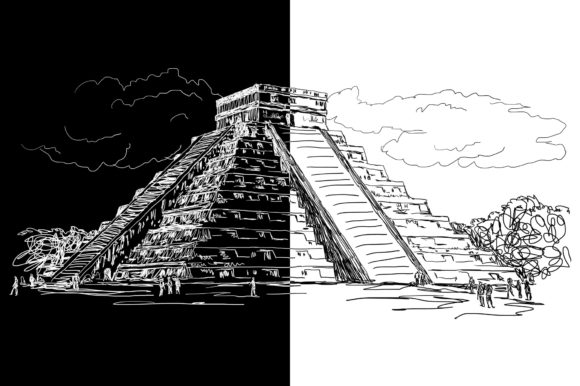
Chichen Itza Maya Ruins Mexico Landmark
Chichen Itza is one of the most iconic landmarks in Mexico, a testament to the ingenuity and artistry of the ancient Maya civilization. Located on the Yucatán Peninsula in the state of Quintana Roo, this archaeological site has captivated historians, travelers, and designers for centuries. Known for its towering pyramids, intricate carvings, and celestial alignments, Chichen Itza is more than just a historical site—it's a visual masterpiece that inspires creativity across multiple design disciplines.
A Visual Masterpiece with Endless Design Potential
The architectural grandeur of Chichen Itza is evident in its iconic El Castillo pyramid, which stands as a symbol of the city’s rich heritage. The structure’s stepped design, adorned with serpentine carvings, reflects the Maya’s deep understanding of astronomy and their connection to the natural world. These elements are not only historically significant but also visually compelling, making them ideal for use in various creative projects.
When it comes to design assets, the inclusion of high-resolution images of Chichen Itza offers a versatile toolkit for designers. The four files included—two JPGs and two PNGs—provide different background options: black lines on white, white lines on black, and transparent backgrounds. This variety allows for greater flexibility in application, whether you're creating digital graphics, print materials, or branding assets. The large image size of 6000 x 3000 pixels ensures clarity and detail, while the 300 dpi resolution guarantees professional-grade quality for both digital and print use.
Designing with Chichen Itza: A Creative Resource
For designers, Chichen Itza’s imagery serves as a powerful source of inspiration. The clean lines, geometric patterns, and symbolic motifs found throughout the ruins can be adapted into modern designs. Whether you're working on a KDP book cover, a social media graphic, or a custom T-shirt design, these visuals offer a unique blend of history and aesthetics.
The transparent PNG files, in particular, open up new possibilities for customization. With no background restrictions, you can seamlessly integrate the images into any color scheme or design layout. This adaptability makes them perfect for use in branding, packaging, and editorial design. For example, a minimalist logo design could incorporate the silhouette of El Castillo, while a vibrant poster might feature the white-line version against a bold, colorful backdrop.
Applications Across Design Disciplines
From web design to print media, the versatility of Chichen Itza’s imagery extends across multiple industries. Marketers and brand strategists can leverage these visuals to create a strong visual identity that resonates with audiences interested in history, culture, and heritage. Bloggers and content creators may use the images to enhance storytelling, while small business owners can incorporate them into product designs for items like mugs, phone cases, and wall prints.
In the realm of publishing, these images can elevate the aesthetic of books, magazines, and digital publications. A well-designed book cover featuring the outline of the ruins can immediately draw readers in, while interior illustrations can add depth and visual interest to narratives. Similarly, in the world of digital design, the images can be used to create engaging social media content, website banners, and email templates that reflect a cultural theme.
For those involved in creative hobbies or personal projects, the availability of these images opens up endless opportunities for experimentation. From crafting DIY wall art to designing custom stickers, the flexibility of the file formats ensures that the images can be used in a wide range of applications without compromising quality.
Evaluating Project Fit and Font Pairings
When selecting design assets, it’s important to consider how they align with your project’s goals. For instance, a display font like Chichen Itza’s stylized outlines might work best in a logo or branding context where visual impact is key. In contrast, a more subdued design might call for a sans-serif or serif font to maintain readability and professionalism.
Font pairing is another crucial consideration. If you’re using the images as part of a larger design, ensure that the typography complements the imagery rather than competes with it. For example, a bold, modern sans-serif font might pair well with the clean lines of the ruins, while a script or handwritten font could add a more organic, artistic feel.
Readability should always be a priority, especially when the images are used in digital formats. Test how the visuals perform on different screen sizes and resolutions to ensure they remain clear and effective. Additionally, consider the commercial licensing terms to avoid any potential issues with usage rights.
Conclusion
Chichen Itza Maya Ruins Mexico Landmark is more than a historical site—it’s a valuable resource for designers, entrepreneurs, and creatives looking to infuse their projects with cultural depth and visual appeal. Whether you’re creating digital content, print materials, or branded products, the versatility of these design assets ensures that they can be adapted to suit a wide range of needs and styles.